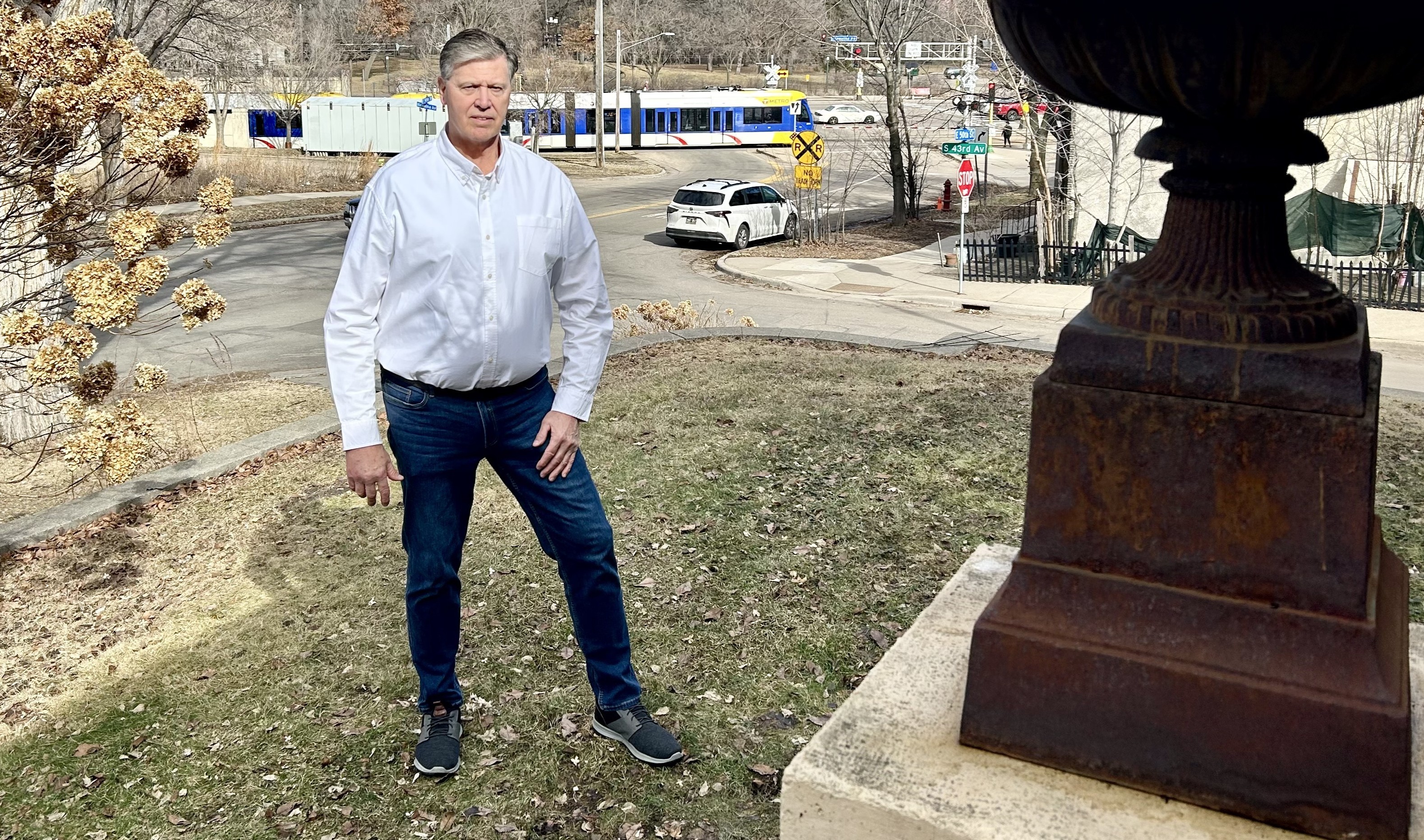
A short distance from the 50th Street Station, passing METRO Blue Line trains can be seen from the front yards of two homes being marketed for a mixed-use multifamily development.
Brad Edlefsen is marketing the properties in his role as vice president of the Edlefsen Group, part of Edina Realty Commercial. Being that close to transit, he said, is one of the site's marquee features.
“Light rail is definitely a selling point," he said. "It’s close to downtown and people can go to the airport, come back and don’t have to worry about taxis, ridesharing or airport parking.”
Edlefsen's attraction to transit oriented development isn't unique.
Between 2009 and 2024, $21.7 billion in development activity has been permitted along light rail, bus rapid transit, and express bus routes in the Twin Cities, according to Metro Transit's 2025 Development Trends Along Transit report. Another $11.3 billion in planned development is being tracked, and more could follow if plans like the one Edlefsen is promoting advance.
Regional development concentrated along transit
In 2024, the region saw record investments in industrial, public, and institutional development near high frequency transit corridors, including renovations of hospitals and schools. These investments helped make up for a slowdown in housing construction, attributed to higher building costs and interest rates.
Since 2009, 39% of the region’s total development, and 44% of the region’s multifamily development by permit value, have occurred along high frequency transit corridors. That activity has put nearly 70,000 new housing units in reach of high frequency transit. Since 2014, 50% of new affordable multifamily units have been near high frequency transit, including 76% of deeply affordable multifamily units.
Metro Transit’s Transit Oriented Development Office is dedicated to advancing transit-oriented development on Metropolitan Council-owned land, sharing resources, and coordinating with internal and external partners.
“As a region, we need to be doing what we can to reduce barriers to development, especially for housing, especially near transit,” said Ames Yoder, a planner in Metro Transit’s TOD Office.
Proximity to transit the “cherry on top” for new development
The region’s expanding METRO network is creating more opportunity, too.
East of St. Paul, the METRO Gold Line began providing frequent, all-day service along the I-94 corridor in early 2025. Nearly $1 billion in investment has been permitted along the corridor, and another $1.3 billion is planned.
In March, the Woodbury City Council permitted a 150-unit multifamily housing project for 55 and older residents near the Gold Line’s Tamarack Station. It’s an attractive location due to proximity to Top Golf and other recreational and commercial businesses along the Gold Line.
“Certainly, it’s reasonable to identify transit may have been the cherry on top,” said Eric Searles, Woodbury assistant community development director.
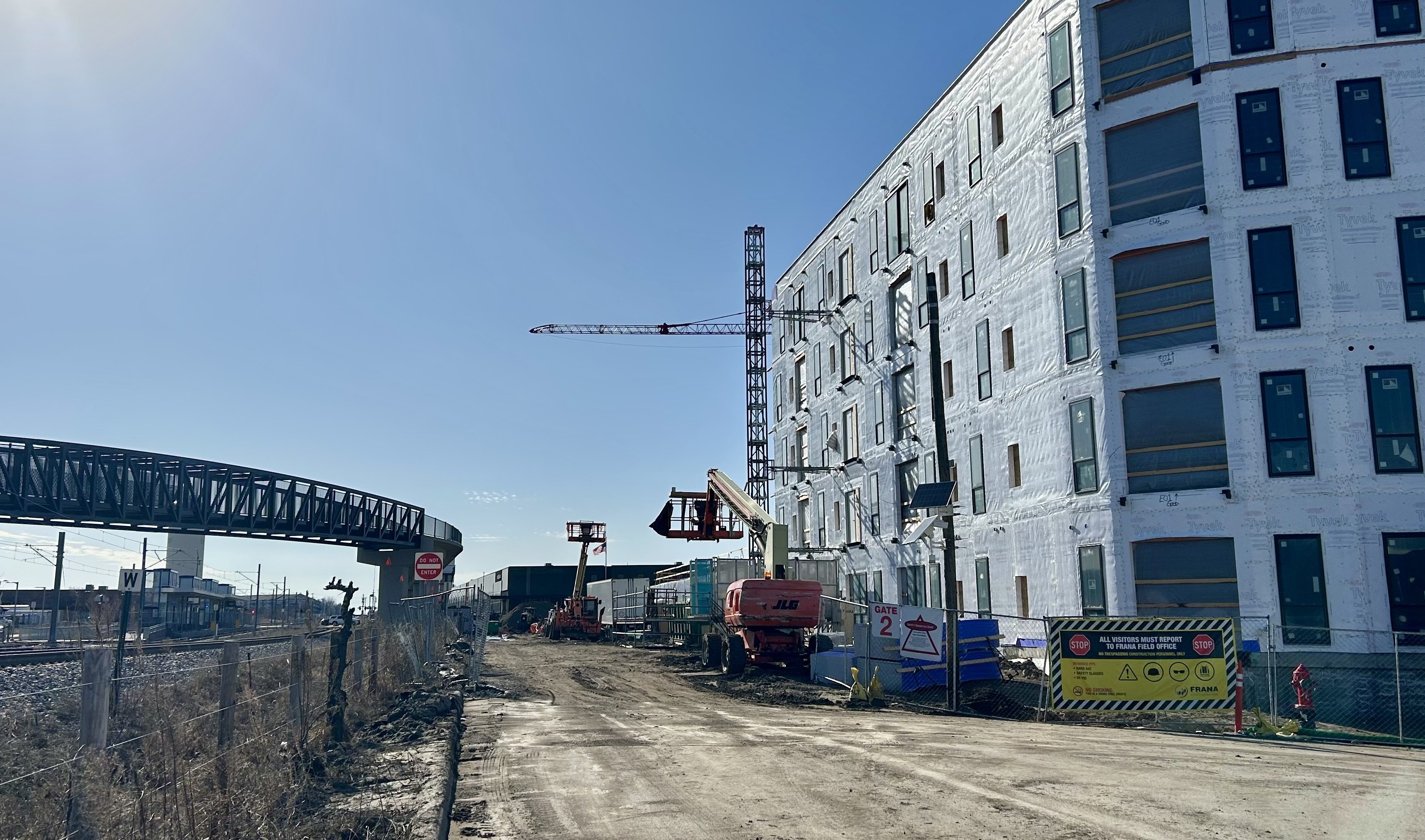
On the other side of the metro, a mixed-use development is already under construction next to the METRO Green Line Extension’s Beltline Boulevard Station (above).
The multi-phase development from Sherman Associates is the product of a collaboration between the developers, Metro Transit and the City of St. Louis Park, who together pursued a $7 million federal grant to help build a parking ramp, leaving more room for new buildings to go up next to the station.
The City of St. Louis Park Economic Development Authority also sold a portion of the site that will be used for affordable housing to Sherman Associates for just $1.
Altogether, $9.9 billion in development has been permitted along the Green Line Extension corridor between 2019 and 2024; another $4.8 billion in development is planned along the corridor.
Explore the 2025 Development Trends Along Transit Report and learn more about working with Metro Transit’s TOD office at metrotransit.org/tod.