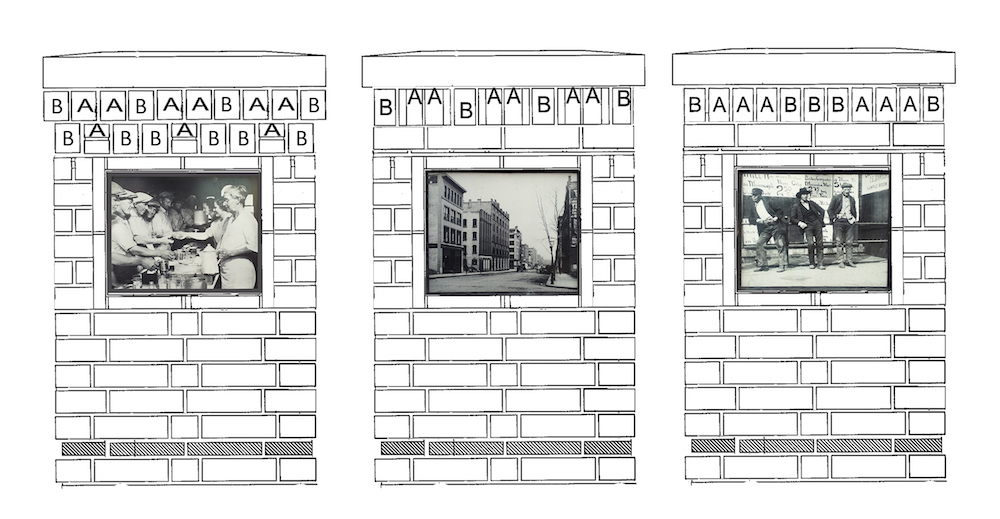
For most of its history, the Minneapolis Warehouse District was an industrial area. It was home to a large railroad yard and numerous warehouses and factories. Much of the Warehouse District (very roughly bounded by 2nd Street North, 1st Avenue North, 6th Street North and the BNSF Railway tracks) is listed on the National Register of Historic Places.
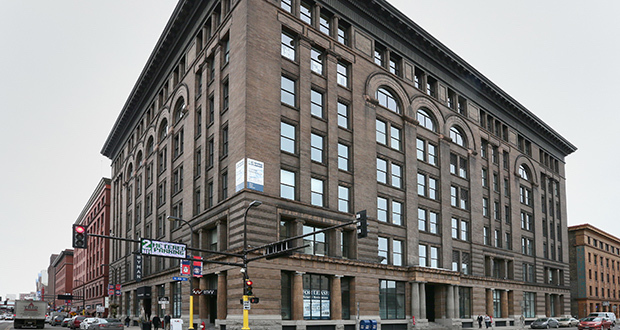
The warehouses that characterize the district are mostly six to eight stories high, and about 62 structures on seven square blocks contribute to the district. The predominant form of design is the Chicago Commercial style, but many other styles were built, including Italianate, Queen Anne style, Richardsonian Romanesque, Classical Revival and early 20th century commercial styles. The Warehouse District was in turn associated with the railroad transportation network that was under development at the time, which connected Minneapolis with the rest of the Midwest and the rest of the country. These warehouses were used for wholesale and storage of goods related to milling and manufacturing. The nomination for the National Register of Historic Places states that the district, as a whole, comprises a cohesive district of buildings with a common physical appearance, as well as a common age and original use.
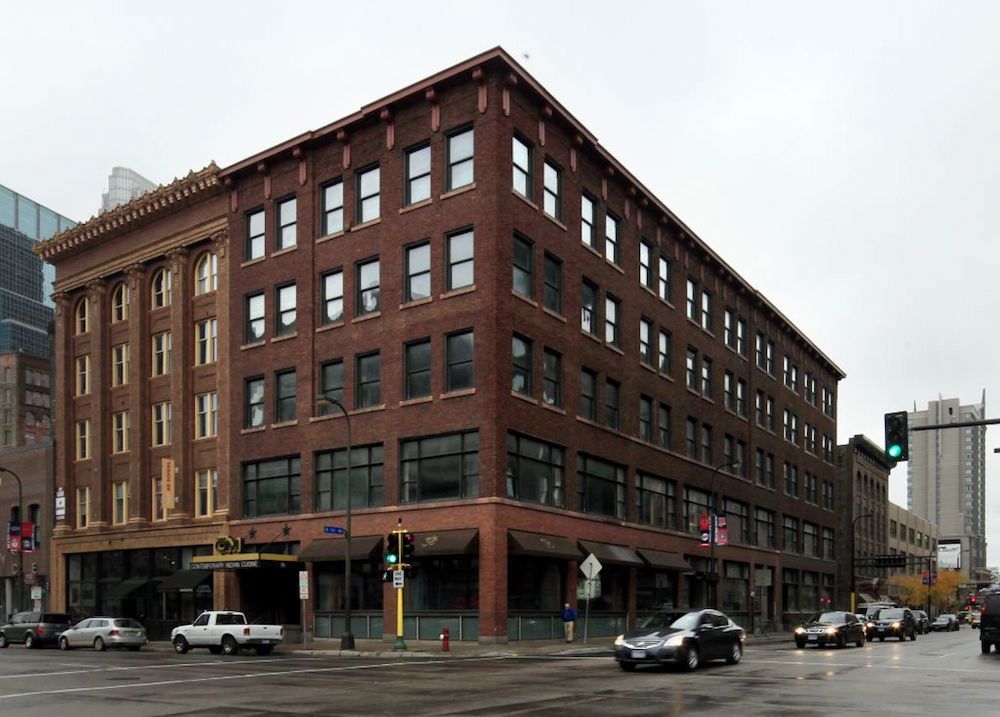
In the 1980s, the Warehouse District was the epicenter of the Minneapolis art scene until the area's buildings became more commercially desirable in the 1990s. At its peak, the Wyman Building, 400 1st Avenue North, was home to more than 20 contemporary art galleries.