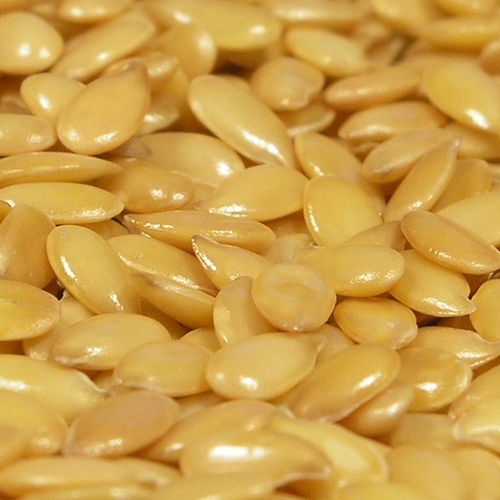
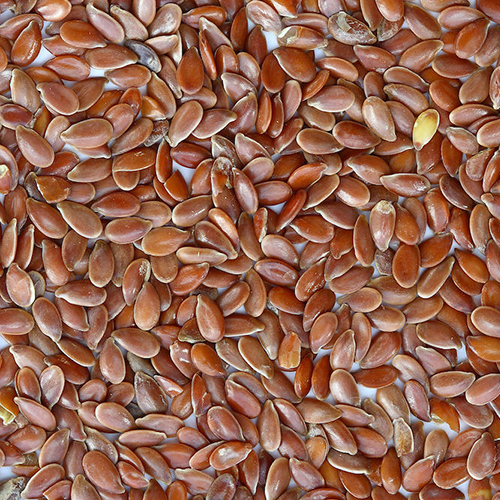
Historically, the fiber in flax stems was used to make clothing and fine papers. Ancient Egyptians used flax to make fine linens and fiber flax is still grown in Asia and Europe to make linen. Cigarette paper is a major flax paper product. Today in Minnesota, the seed is the most used part of the plant. Fiber flax varieties are very tall with few branches and low seed production. Seed flax is short, multiple branched and selected for high seed production.
Flaxseed is also known as linseed and is the source of linseed oil, a medium for paints and stains. Linseed oil has also been a major ingredient in the production of linoleum. After the flaxseed has been crushed, to release the linseed oil, the linseed meal is used in food products for animals and people.
Because of its link to good health, flax is becoming a new food in many diets. Bakers and commercial food companies use the meal as a unique ingredient in everything from yeast breads, to bagels and cookie mixes. Not only do muffins and breads baked with flax taste great, but studies also find that these foods provide health benefits. Flax is unique in its high alpha-linolenic fatty acid (ALA) content. ALA is an omega-3 fatty acid, which contributes to good health.
Flax is increasingly used as an ingredient in feeds for better animal health and for enriched food products. Omega-3 enriched eggs from hens fed rations containing flax are also very popular. These eggs contain eight to 10 times more omega-3 fatty acids than regular eggs. Two of the enriched eggs supply more than half the recommended daily intake of omega-3s for adult men and women.